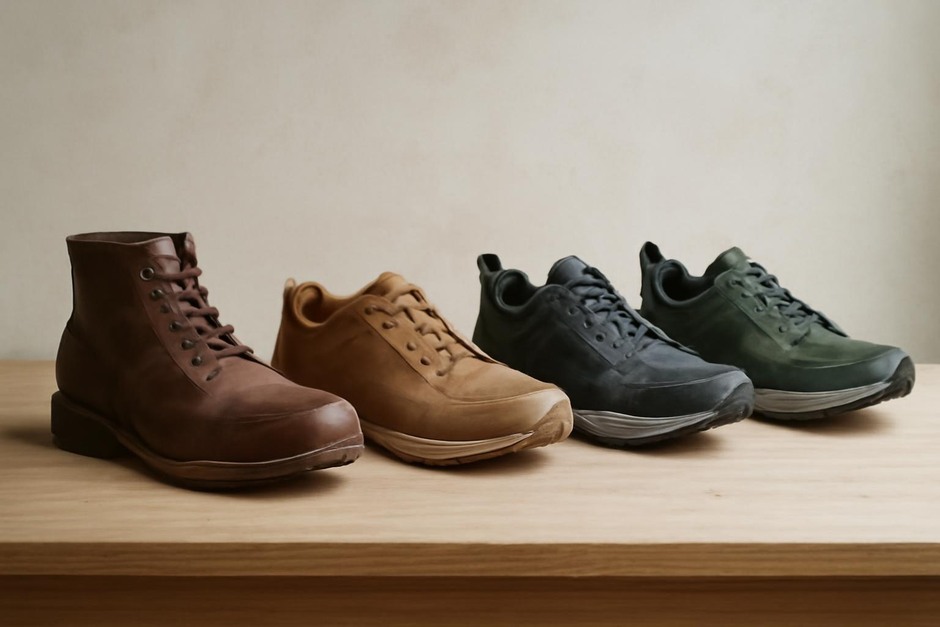
From Cobbler to Carbon Fiber: A Brief History of Walking Shoes and How to Choose Yours Today
When you lace up a pair of shoes for a Sunday walk, you carry centuries of craft and innovation underfoot. Footwear that once meant simple protection from rough ground now balances weight, grip, water resistance and environmental concerns. A quick look back clarifies why modern options look and feel so different—and helps make better choices today.
A long walk through history
For most of human history shoes were crafted by hand to meet local needs. In temperate Europe, leather boots evolved to protect feet from rocky paths and cold; in warmer climates, sandals and soft shoes kept walkers cool. Cobbler-made soles were often layered and nailed, with hobnails or iron reinforcing the wear surface. These practical solutions emphasized repairability: resoling and patching by a local maker extended a shoe’s life rather than replacing it.
The industrial and material revolutions
The 19th and early 20th centuries brought mechanisation and new chemistry to footwear. Leather remained central, but rubber and vulcanisation introduced flexible, more weather-resistant soles. Mass production made sturdy boots affordable for factory workers and, later, for recreational hikers as leisure time expanded. Innovations such as lugged soles improved traction on soft or rocky ground, while waterproof treatments reduced the need for constant maintenance.
The rise of performance tech and environmental awareness
After mid-20th century, materials like synthetic fabrics, foams and membranes transformed walking footwear. Lightweight midsole foams offered cushioning with less bulk; breathable waterproof membranes kept feet dry; thermoplastic reinforcements added support. More recently, high-performance elements—such as stiff carbon plates in fast running shoes—have filtered into trail and long-distance designs to improve energy return.
Alongside performance gains, a countercurrent emphasises sustainability. Repairable constructions, recycled materials and take-back programmes echo the old cobbler’s ethic in a modern form. Choosing shoes that balance durable materials with lower environmental impact is now an active part of selecting footwear.
Choosing and caring for walking shoes today
History teaches a simple truth: the right shoe depends on where you walk and how you treat it. Use the following points as a practical checklist.
Match shoe to terrain and pace
- City and casual walks: flexible soles and light cushioning prioritise comfort and everyday support.
- Parks and gravel paths: a sturdier sole with moderate tread helps with uneven ground.
- Trail and hill walks: look for deeper lugs, ankle support if carrying a load, and a durable upper that resists abrasion.
Fit and function
- Try shoes late in the day when feet are slightly swollen; there should be room to wiggle toes without your heel slipping.
- Consider sock thickness you plan to wear; a lighter sock changes fit from a thicker one.
- Prioritise comfort over style—painful shoes will make you shorten walks and lose enthusiasm.
Care, repair and longevity
- Clean off mud and grit after outings; allow shoes to dry naturally away from direct heat.
- Condition leather with an appropriate wax or balm to keep it supple and water-resistant.
- Replace insoles or resoles when possible—many good shoes are designed to be serviced rather than discarded.
- Rotate two pairs if you walk often; alternating allows materials to decompress and dry fully.
For those considering environmental impact, seek brands that disclose material origins, offer repair programmes, or use recycled components. Buying secondhand or opting for resolable models extends the life of a pair and reduces waste, reviving the long-standing practical habit of repair from older eras.
Measured conclusion
Shoes are both tools and stories. The evolution from hand-stitched leather to engineered foams reflects changing lifestyles, materials and values. Today’s best choices combine that history—repairability and purpose-built design—with advances that make walking lighter and more comfortable. When you select footwear with attention to fit, terrain, and care, you honour the cobbler’s practical wisdom while enjoying the benefits of modern innovation.